With RTX PRO Blackwell cards now available, we tested workstation GPUs from AMD, Intel, and NVIDIA to see how they perform in engineering applications.

With RTX PRO Blackwell cards now available, we tested workstation GPUs from AMD, Intel, and NVIDIA to see how they perform in engineering applications.
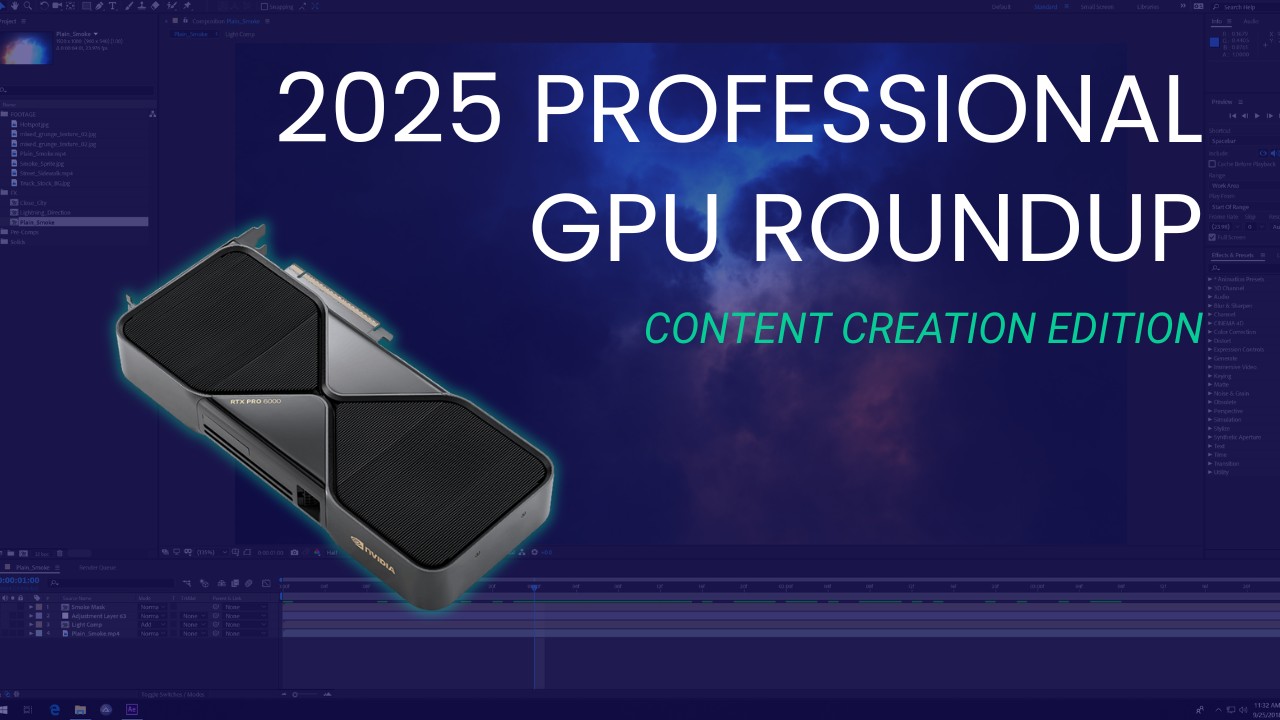
Now that all RTX PRO Blackwell cards are available, we tested workstation GPUs from AMD, Intel, and NVIDIA to see how they perform in content creation.
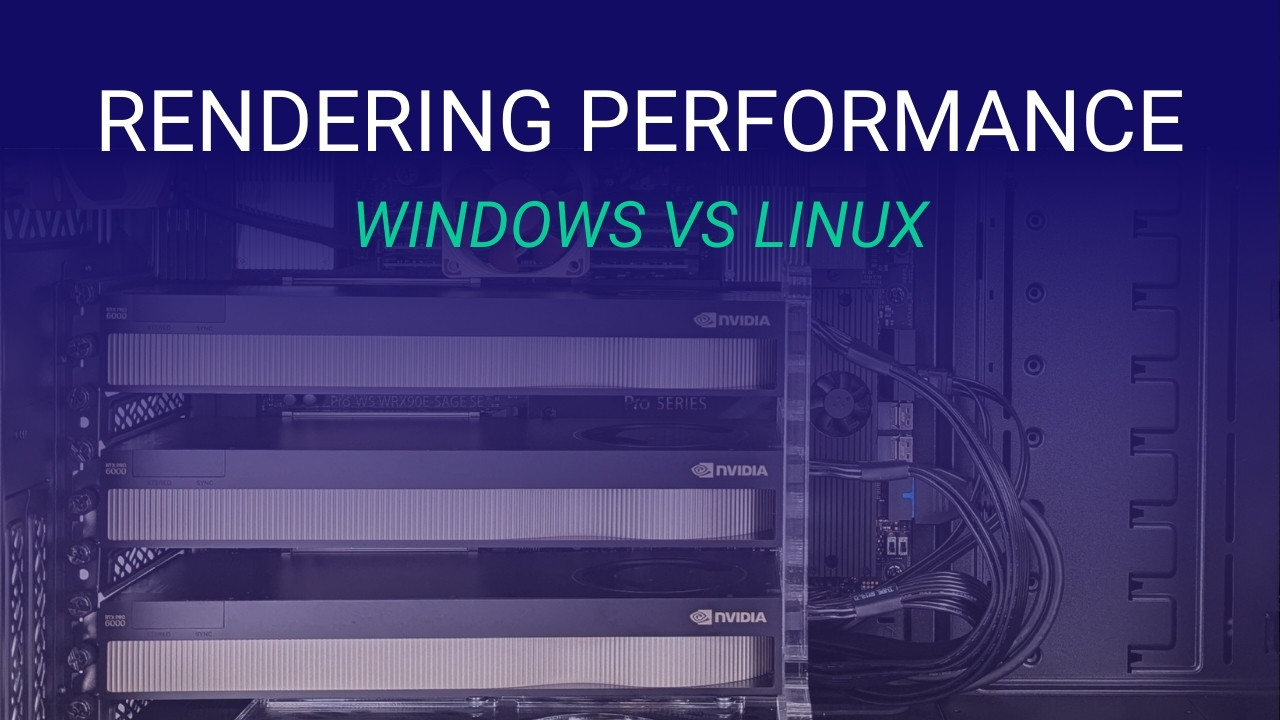
Do Windows and Linux perform differently when it comes to rendering? We tested Blender and V-Ray on Windows and Ubuntu to see how performance stacks up.
Rendering benchmarks are great for comparisons, but do they accurately predict render times? We tested real projects across Blender and V-Ray to find out.
We explored the impact of different CPUs and GPUs on PIX4Dmatic performance, as well as comparing a few laptops and an older desktop against modern PCs.
We put Preview from Disk Cache to the test! This new feature from After Effects 25.2 shifts the focus from RAM capacity to drive speed for smooth playback.
Intel’s Xeon 6 server processors come in P-core and E-core variants, so we test two similarly priced models to see which is better for a CPU rendering node.
We investigate the performance impacts of running Parsec on the host system for remote workstation usage in content creation applications.
DaVinci Resolve Studio is known for how well it utilizes high-performance video cards, but how well can it scale with multiple NVIDIA and AMD GPUs?
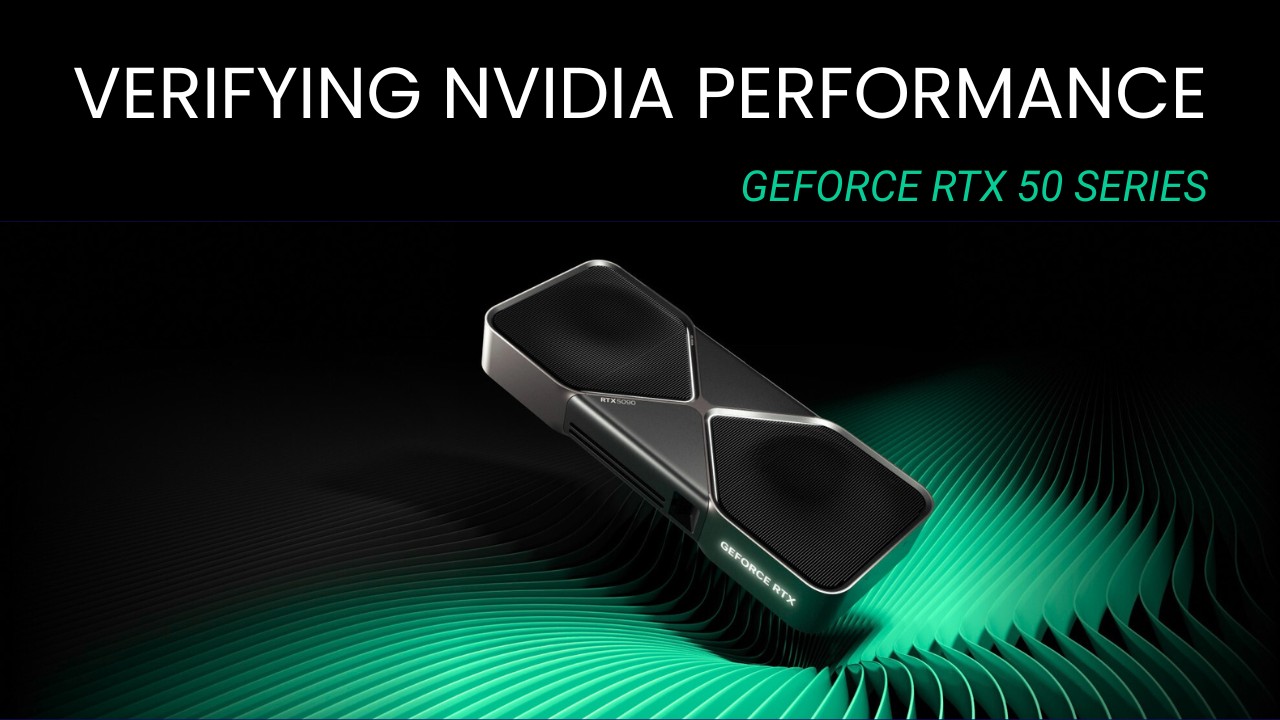
NVIDIA’s marketing for the GeForce RTX 50 Series highlights new capabilities and features, but does real-world performance match the expectations they set?
Puget Systems builds custom workstations, servers and storage solutions tailored for your work.
We provide:
Extensive performance testing
making you more productive and giving better value for your money
Reliable computers
with fewer crashes means more time working & less time waiting
Support that understands
your complex workflows and can get you back up & running ASAP
A proven track record
as shown by our case studies and customer testimonials